


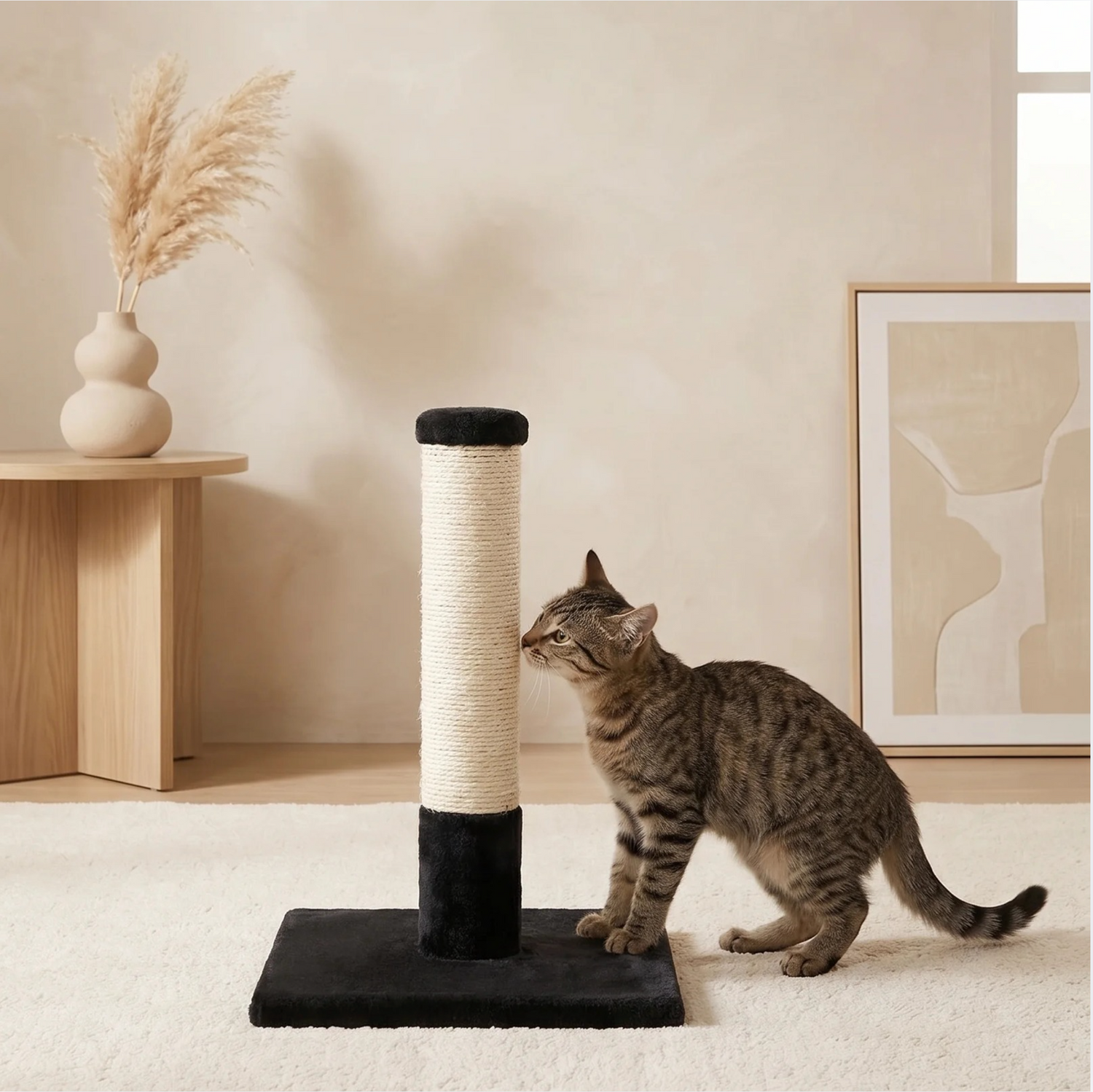
How do a cat’s needs change throughout its life?
A cat does not experience its needs in the same way at 3 months, 4 years, or 14 years of age. Its body changes, its activity level evolves, and its relationship with its environment changes as well. Yet certain behaviours remain present throughout its life and deserve to be better understood.
Among these, scratching plays an important role. This behaviour, sometimes mistakenly seen as troublesome, is in fact part of a cat’s normal daily life. It supports development, physical balance, the way a cat interacts with its territory, and more broadly, how it inhabits space.
To properly support a cat, it is therefore useful to understand what is at play at each stage of its life: during growth, in adulthood, and then as it ages.
Why does a kitten need to discover the world with its whole body?
The first months of life represent a period of spectacular transformation. At birth, a kitten is entirely dependent on its mother. Very quickly, however, it gains autonomy: it opens its eyes, moves around, plays with its littermates, begins eating solid food, and explores its environment more actively.
This phase of rapid growth generally extends from birth to around 6 months, then continues into a more adolescent period, often referred to as the junior phase, up to about 2 years of age. During this entire time, the young cat learns through experimentation: it climbs, jumps, observes, tests its footing, measures distances, and develops coordination.
In kittens, claws play a very concrete role in exploration. Thin, sharp, and highly mobile, they allow the kitten to grip, climb, play, and defend itself when needed. They therefore fully contribute to motor development.
This is also the period when part of the kitten’s relationship with its environment is formed. The young cat gradually learns which surfaces are pleasant to use, which places feel reassuring, and which habits become familiar reference points.
Accompany rather than correct
When a kitten shows interest in fabrics, rugs, or furniture, this does not strictly reflect a “bad habit.” It is primarily seeking to interact with its environment through instinctive behaviors. This period is therefore ideal for establishing simple foundations: offering stable reference points, encouraging appropriate uses, and providing opportunities to move, play, and explore.
It is also an important time to gently accustom the kitten to everyday handling. Observing its ears, teeth, paws, or claws helps make future care more relaxed. At this age, socialization, weaning, first veterinary visits, and, depending on recommendations, sterilization, all follow the same logic: helping the kitten grow up in a safe and reassuring framework.
Why does the adult cat continue to scratch daily?
Once growth is complete, the cat enters a more stable phase. Between 3 and 6 years old, it is generally at full physical maturity. Between 7 and 10 years old, the cat is often described as mature: it remains active, but some early signs of change may appear, whether in daily rhythm, recovery time, or tolerance to effort.
Even though its temperament becomes more defined, the adult cat retains very strong behavioural needs. It sleeps a lot, of course, but it also needs activity, reference points, and interaction with its environment.
In adulthood, scratching serves several functions at once. First, it contributes to the natural maintenance of the claws, which grow continuously throughout life. By scratching certain surfaces, the cat helps remove worn parts of the claw and encourages renewal.
But this behaviour goes far beyond physical maintenance. It also allows the cat to leave visible and olfactory marks in its space. This is a way for the cat to inhabit its territory, feel anchored there, and find familiar reference points. Stretching at the same time also engages the back, shoulders, and front legs, making it a complete movement that is both functional and soothing.
A response to physical… and emotional needs
An adult cat may scratch after a nap, after a moment of excitement, when experiencing a change in its environment, or simply as part of a well-established routine. This behaviour helps the cat regulate itself. It contributes to releasing tension, regaining a sense of control, and maintaining daily balance.
For cats living mainly indoors, these reference points are even more important. Space is often more limited, opportunities to vary surfaces and stimulation are fewer, and certain needs must be expressed within the home itself. In this context, thinking of the cat’s environment as a living space adapted to its needs rather than simply a space to be preserved makes a significant difference.
Why does a senior cat need a more accessible environment?
From around 11 years of age, a cat enters its senior phase. Beyond 15 years, it is sometimes referred to as a super-senior. Not all cats age at the same pace, but many experience a gradual slowdown: they sleep more, recover more slowly, become more sensitive to change, and often seek greater comfort.
Aging does not eliminate natural behaviours; it mainly changes the way they are expressed. What was spontaneous and energetic in adulthood can become more measured, more cautious, and sometimes more selective.
Comfort becomes an essential criterion
As a cat grows older, it may abandon certain places it previously enjoyed if they become less accessible, too high, or uncomfortable. This does not mean the cat no longer needs them, but rather that its environment must evolve along with it.
A well-thought-out layout helps preserve autonomy. The goal is not to multiply objects, but to offer solutions that are consistent with the cat’s flexibility, rhythm, and habits. The more the environment respects its current abilities, the more the cat can continue to express its natural behaviours without unnecessary effort.
Why choose a support that evolves with the cat?
When one carefully observes a cat’s daily life, one thing becomes clear: its needs do not disappear with age they transform. From discovering the world as a kitten to seeking comfort as a senior, each stage brings its own specificities without ever erasing the cat’s fundamental nature.
Among its essential behaviours, scratching remains a constant throughout its life. That is why a well-designed environment must be able to support this evolution without disrupting its reference points or habits.
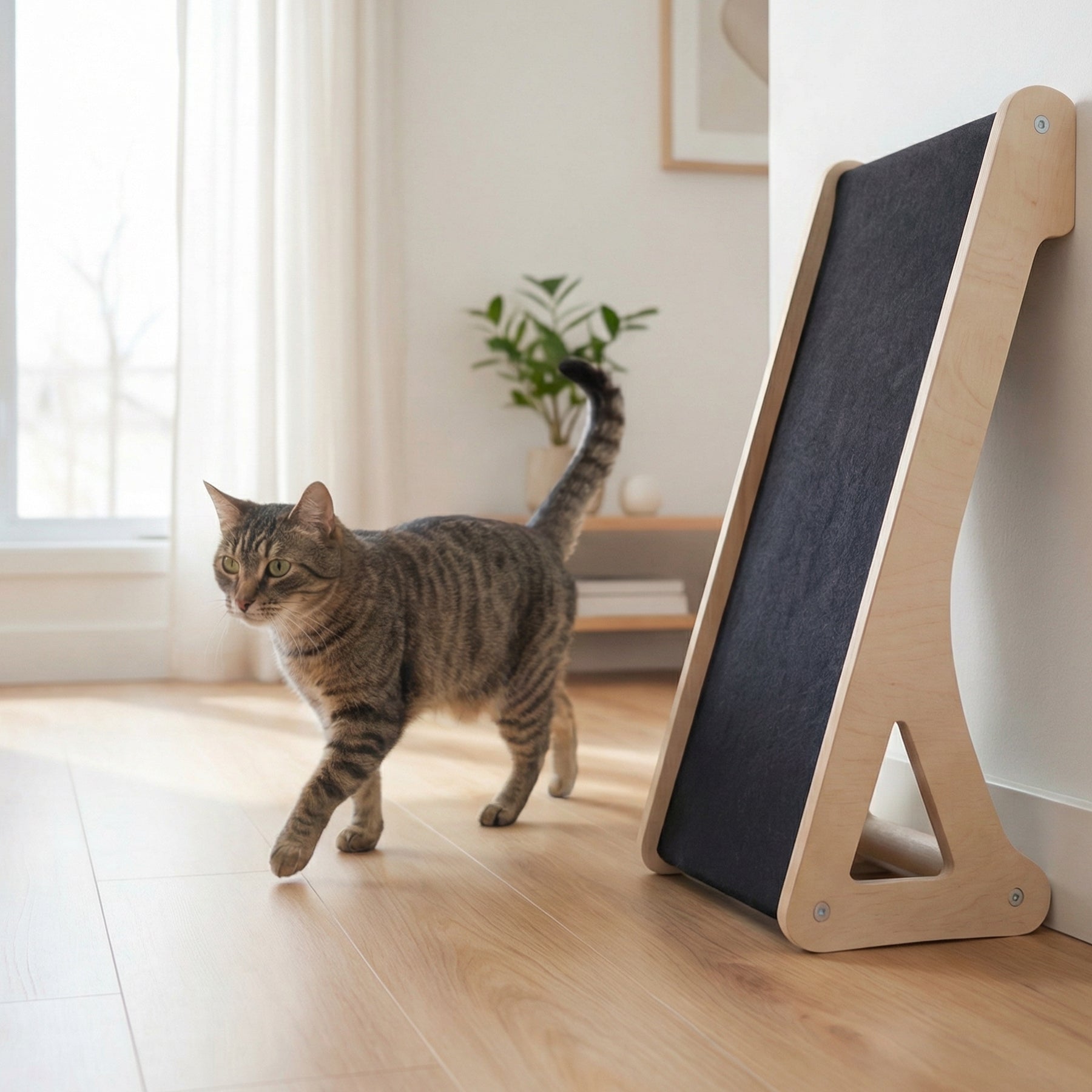
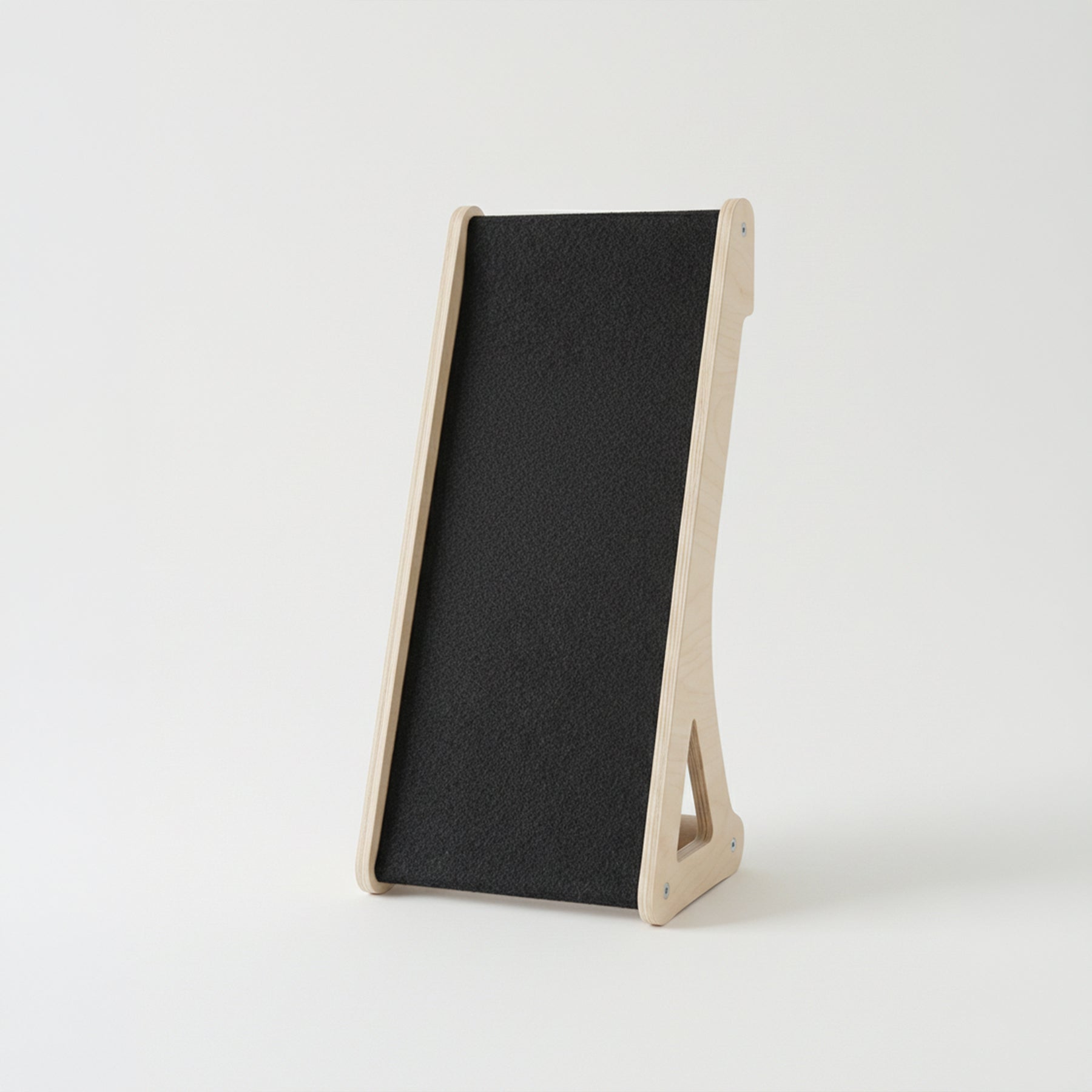
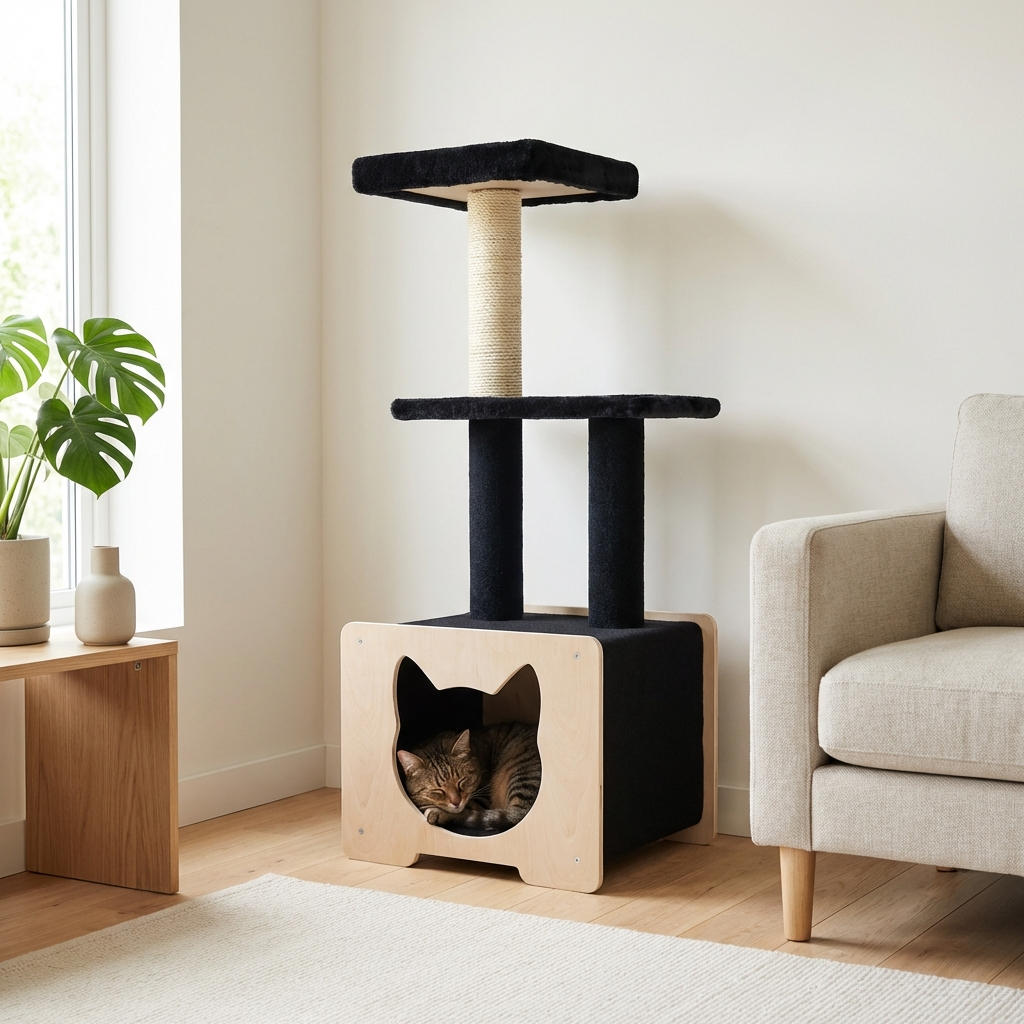
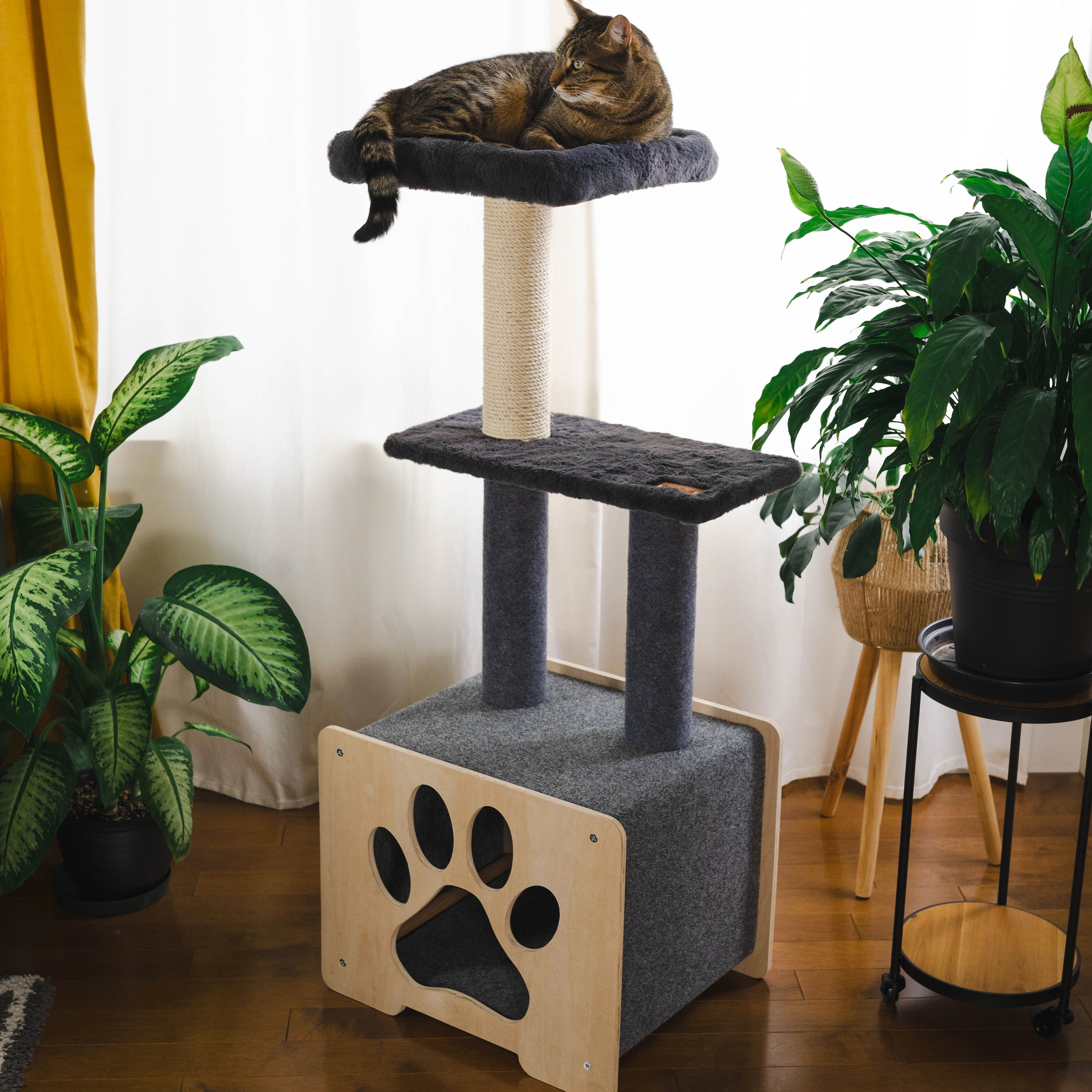
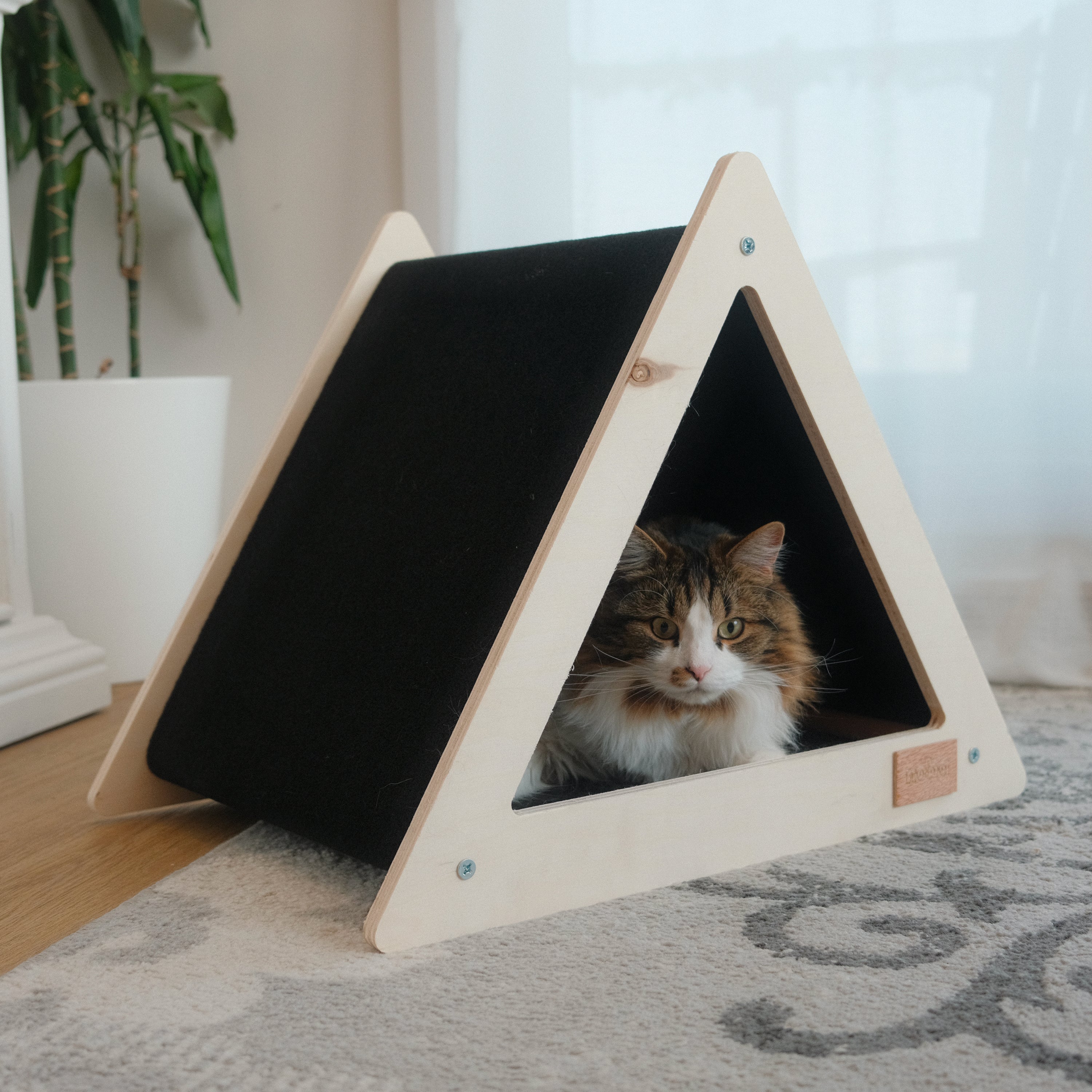
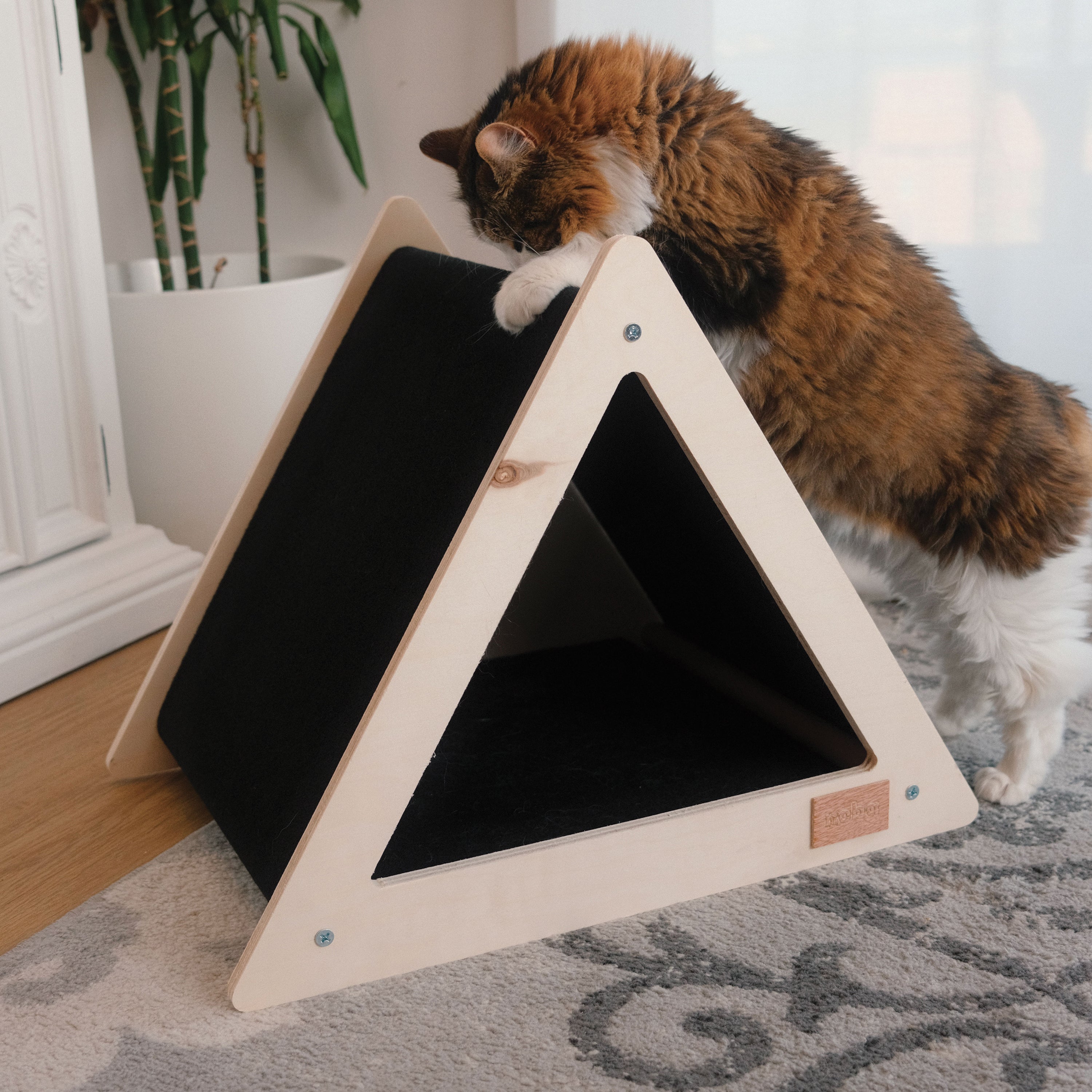
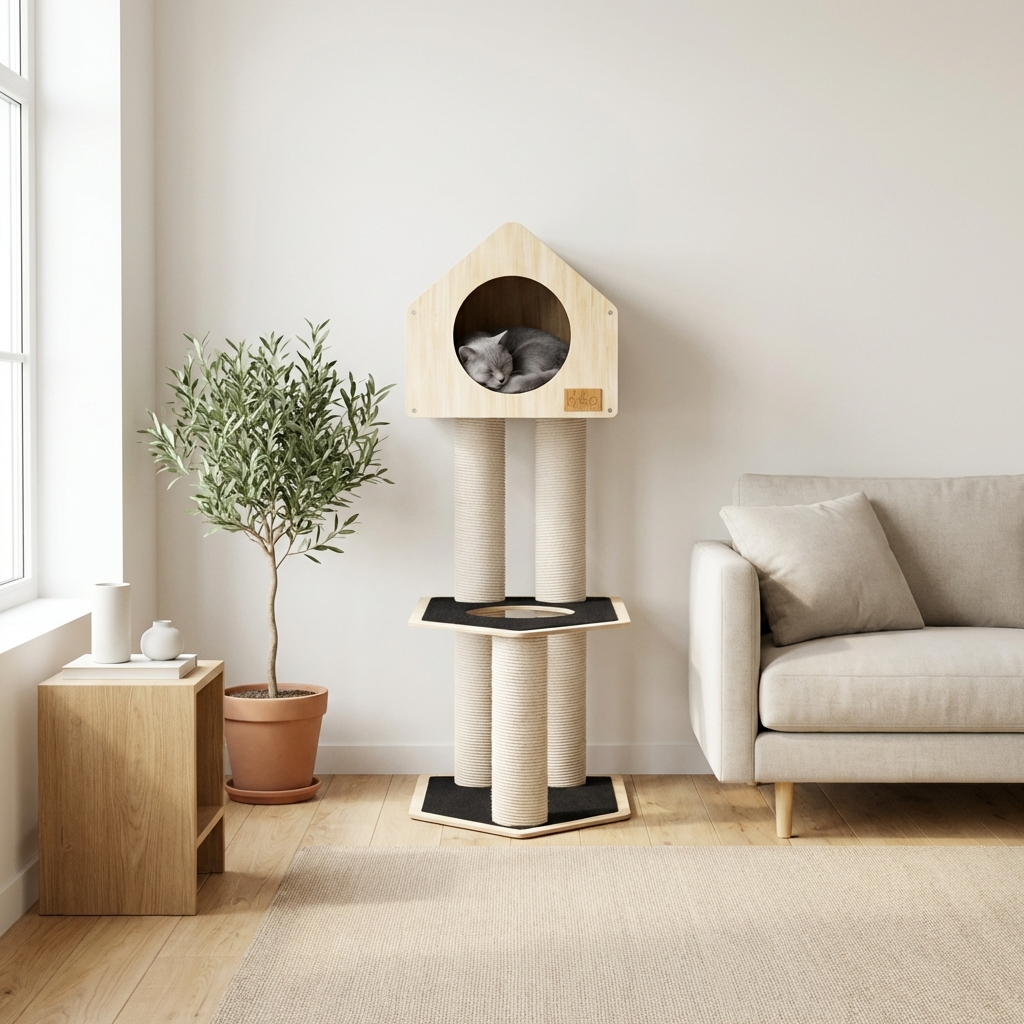
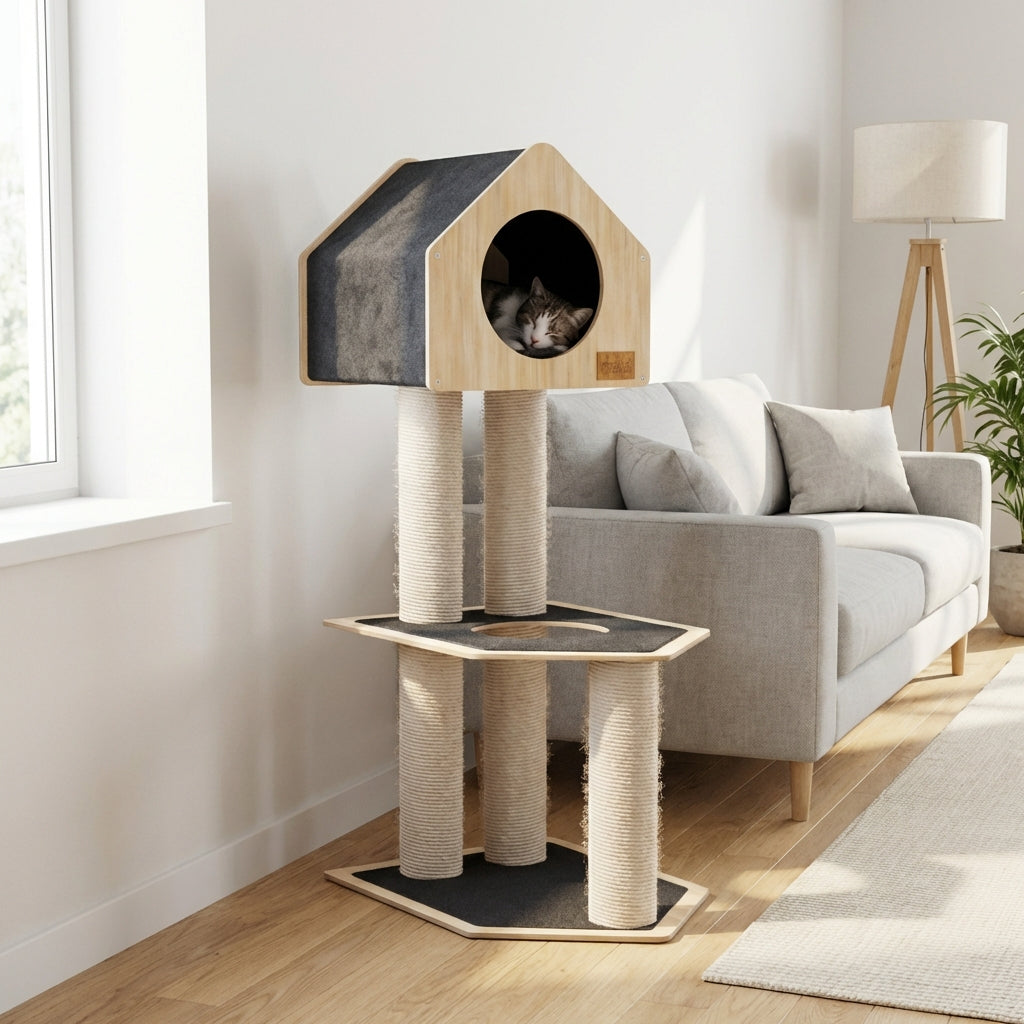
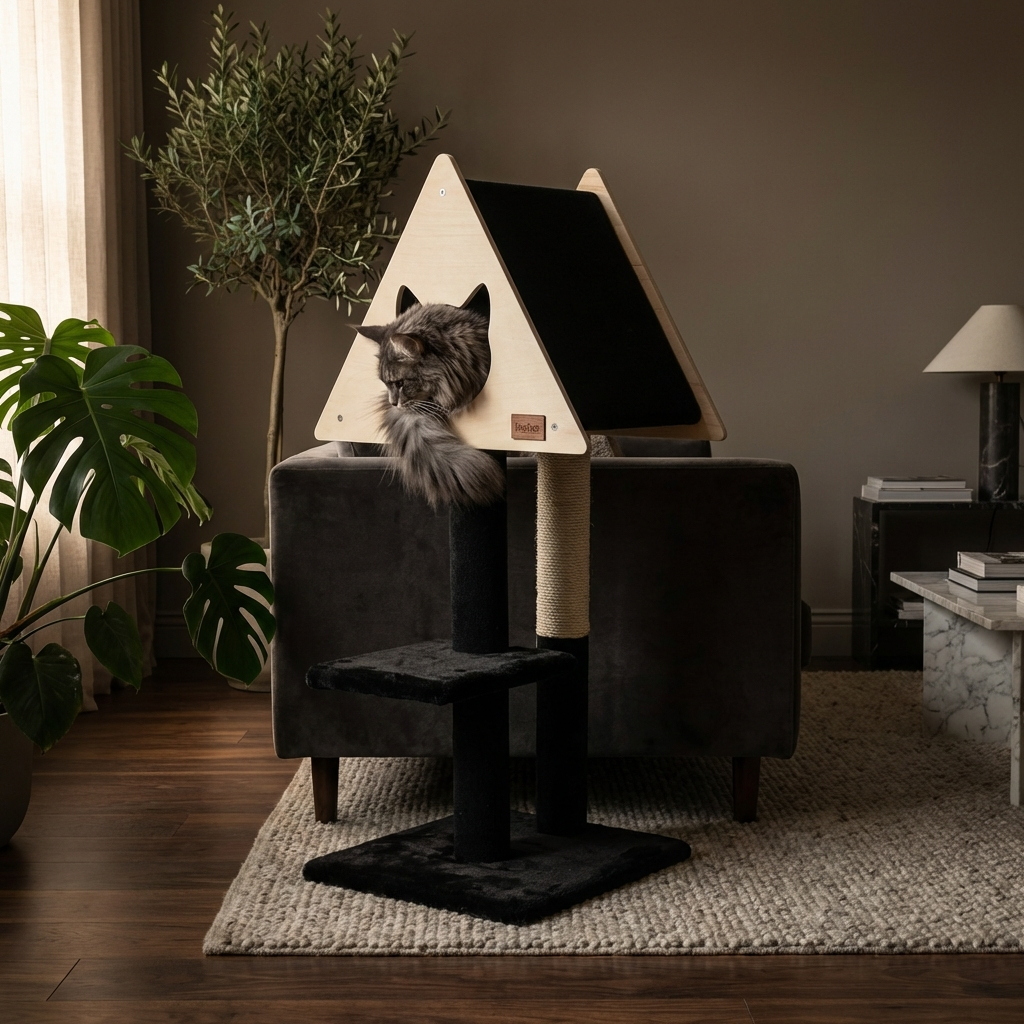
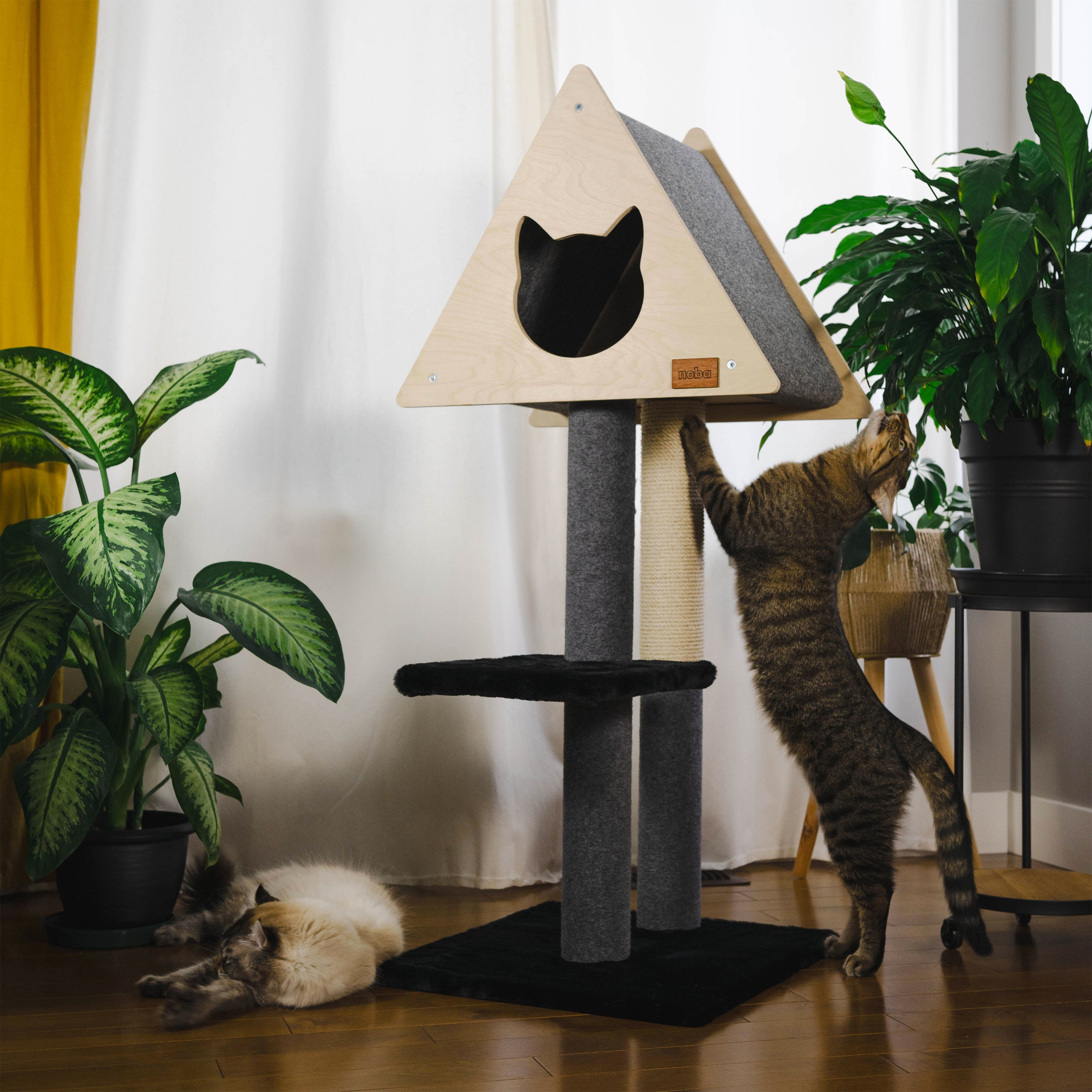
In this perspective, an evolving scratching support makes complete sense. More than a simple object, it represents a lasting response to a fundamental behavioural need, adapting to the different stages of a cat’s life. The Noba evolving scratching post can thus naturally find its place in everyday life, following the cat over time while respecting its comfort and natural behaviours.
Designing a suitable space ultimately means responding to the cat as it is, at every stage of its life, with consistency, simplicity, and respect.
Sources :
https://www.zooplus.fr/magazine/chat/chaton/etapes-croissance-chat







Leave a comment
All comments are moderated before being published.
This site is protected by hCaptcha and the hCaptcha Privacy Policy and Terms of Service apply.